RESEARCH UNITS
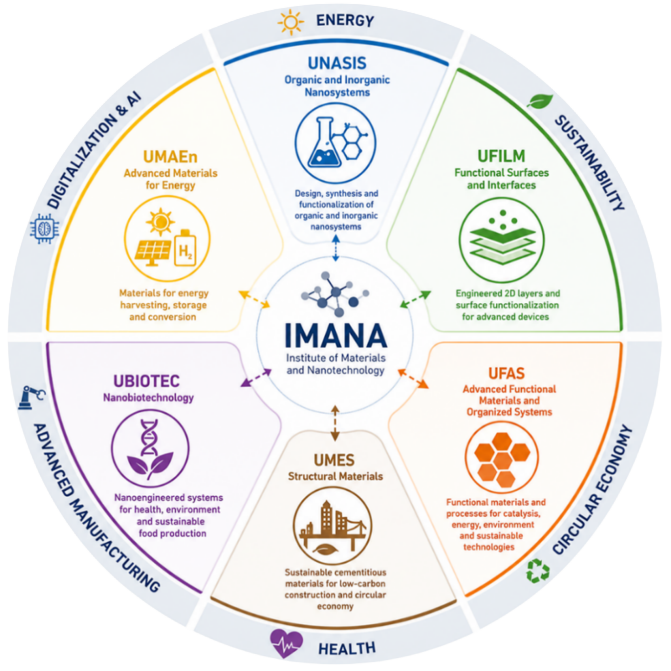
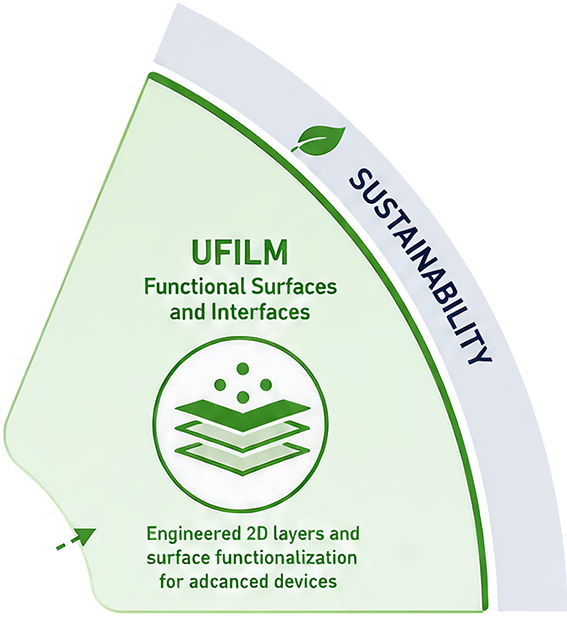
UFILM – Functional Surfaces and Interfaces

2D layers with nanometric thickness are engineered and stacked to enable advanced energy, sensing, and microelectronic devices. Their performance depends on the quality of both internal and external interfaces, which are essential for photovoltaics, sensors, electrochemical systems, and modern microelectronics.
Surface functionalization modifies the surface of a material through coatings, functional groups, or nanoparticles to tailor its chemical, optical, electrical, and mechanical properties.
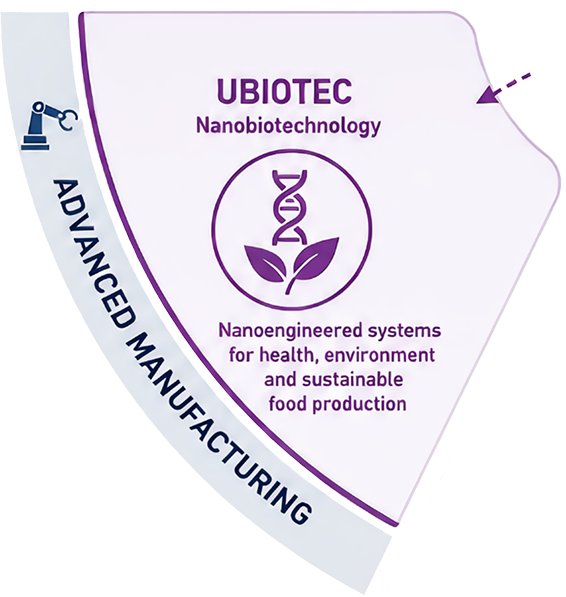
UBIOTEC – Nanobiotechnology

The strategic line UBIOTEC is built on the premise that human health, animal health, environmental quality, and sustainable food production are deeply interconnected. Leveraging materials science, nanotechnology, and biotechnology, this initiative aims to provide integrated solutions to major societal challenges, such as antimicrobial resistance and food safety.
Advanced functional materials and nanoengineered systems serve as the technological core of this framework, enabling selective interaction with biological and environmental systems.
UFAS – Advanced Functional Materials and Organized Systems
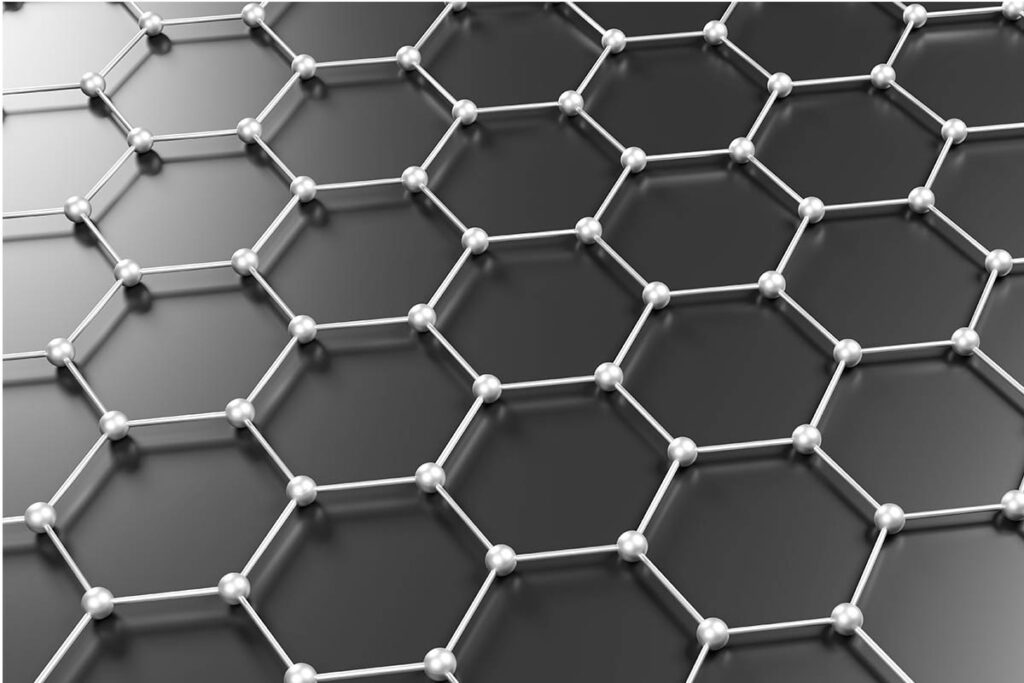
UFAS focuses on the design, synthesis and physicochemical characterization of advanced functional materials for sustainable technologies. Building on the understanding of structure–property–performance relationships, the Unit develops innovative materials and processes for applications in sustainable catalysis, electrochemical energy conversion and storage, hydrogen technologies, carbon capture and utilization (CCU), renewable fuels, environmental remediation and resource-efficient chemical processes. This research activities contribute to addressing major societal challenges related to climate neutrality, circular economy and sustainable industrial development.
The Unit brings together multidisciplinary expertise spanning computational materials design, advanced synthesis, operando and in situ characterization under relevant operating conditions, and process engineering. This integrated approach accelerates the development of next-generation functional materials and sustainable technologies, fostering innovation, industrial collaboration and the translation of scientific knowledge into high-impact technological solutions.
UMES –Structural Materials
UMES focuses on the design and development of sustainable cementitious materials to support the decarbonization of the construction sector. Its research promotes the replacement of Portland cement clinker with low-carbon supplementary cementitious materials derived from industrial by-products and urban wastes, contributing to circular economy strategies.
The Unit combines advanced characterization techniques with artificial intelligence-based data analysis to understand hydration processes, CO2 mineralisation processes, microstructural evolution, and material performance, accelerating the development of next-generation low-carbon construction materials.
UMAEn – Advanced Materials for Energy
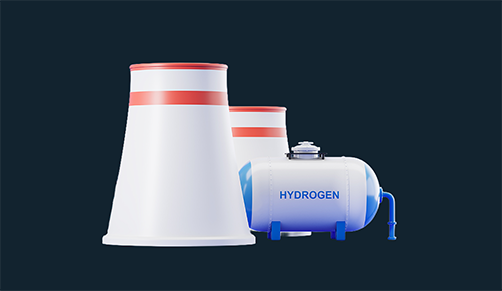
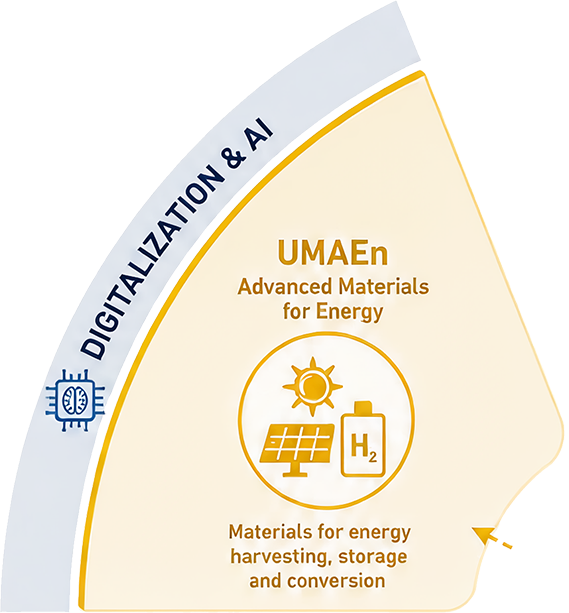
UMAEn tackles global energy challenges by developing sustainable materials to boost energy efficiency and advance both energy harvesting and storage capabilities. Key efforts target molecular-based innovations (e.g., spintronics, organic photonics) and hydrogen technologies (water splitting, CO₂ hydrogenation), while avoiding critical raw elements and enabling cost-effective production for microelectronics.
UMAEn unites multidisciplinary expertise from design to device fabrication and advanced characterisation combined with state-of-the-art quantum chemical calculations. The synergy between the Research Unit groups allows for rapid, accelerated development of next-generation energy solutions
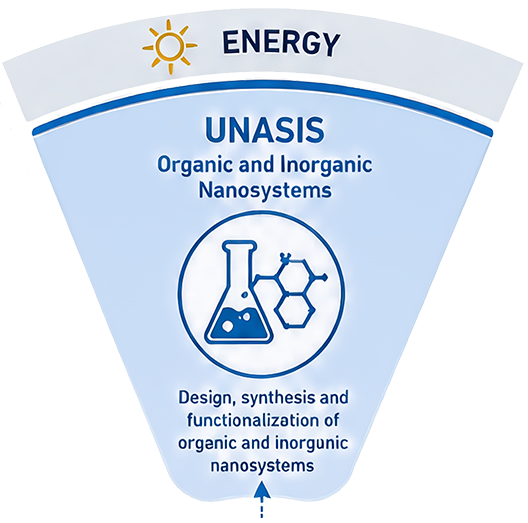
UNASIS – Organic and Inorganic Nanosystems
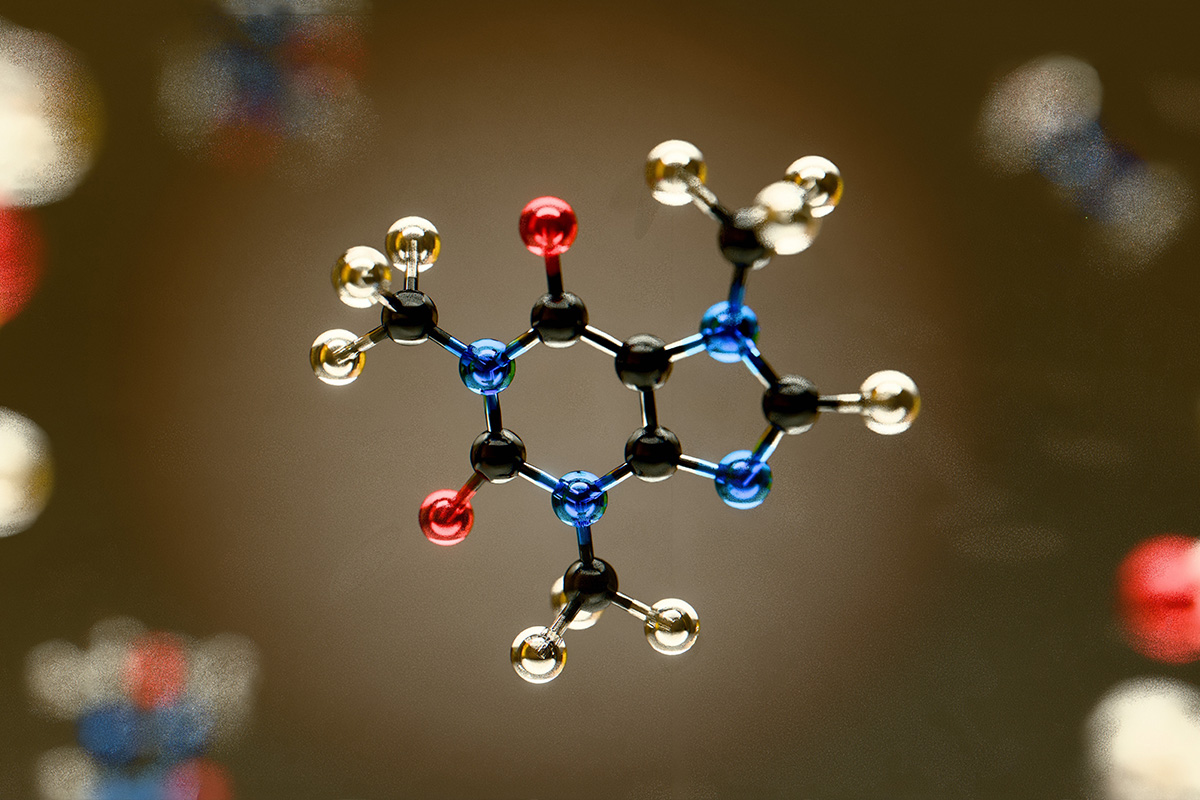
The UNASIS provides IMANA with a transversal platform for the design, synthesis and functionalization of advanced organic and inorganic materials, supporting the scientific and technological activities of the Institute’s other Research Units. Its expertise covers the development of molecular compounds, nanostructured materials and hybrid systems with tailored physicochemical properties, enabling applications in energy, environmental remediation, electronics and biomedicine.
The Unit develops innovative synthetic methodologies and contributes advanced spectroscopic characterization to establish structure–property relationships and guide material optimization. These capabilities provide essential support for the development of materials for energy conversion and storage, waste valorisation, microelectronics, organic electronics, drug delivery and other application-oriented research carried out across IMANA.