
Doce grupos de investigación del PAIDI
12 research groups from the Andalusian Plan for Research, Development, and Innovation (PAIDI): 10 research groups in the field of Exact and Experimental Sciences (FQM), 1 in Production Technologies (TEP), and 1 in Natural Resources and the Environment (RNM).
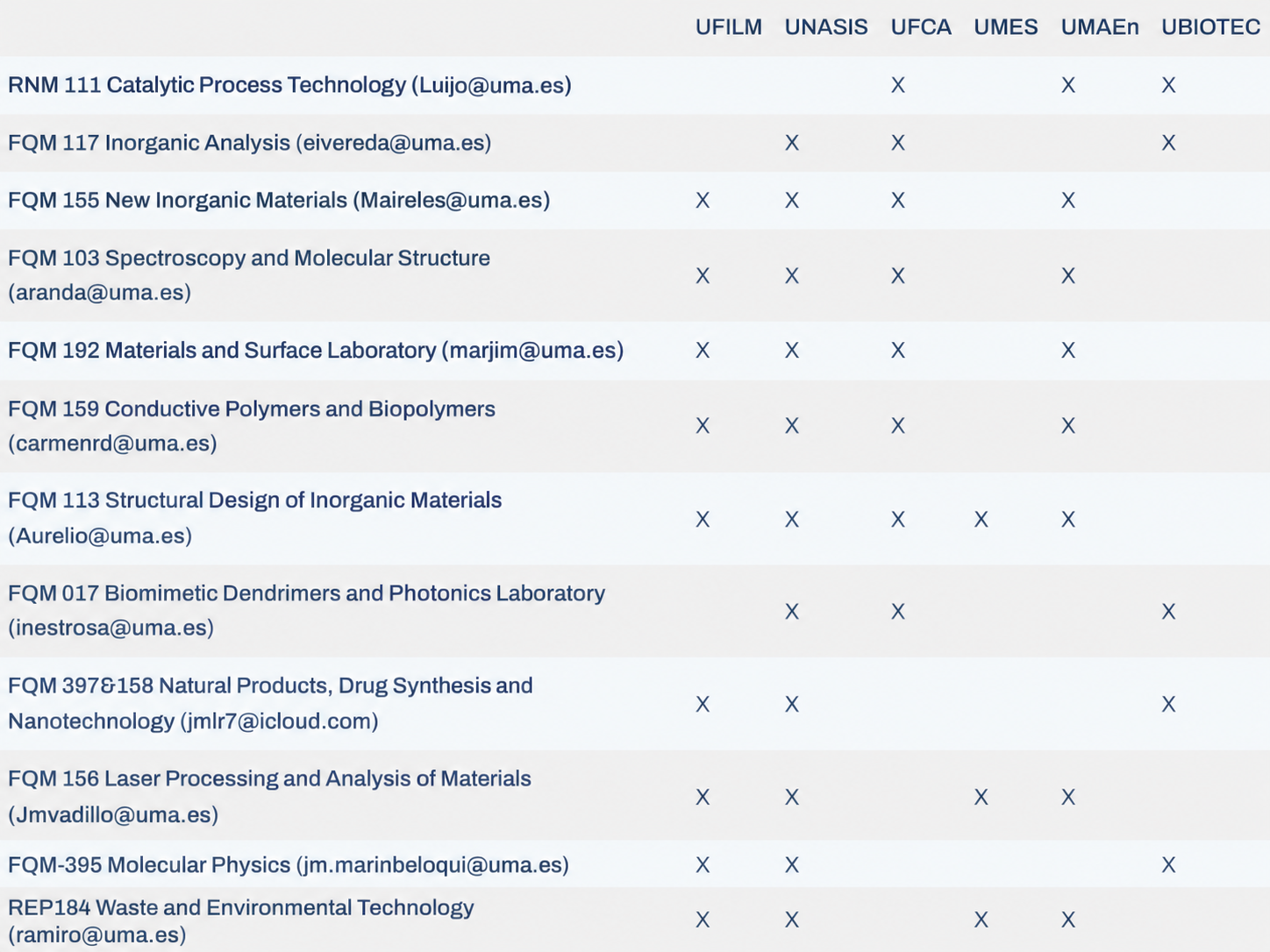
RESEARCH GROUPS
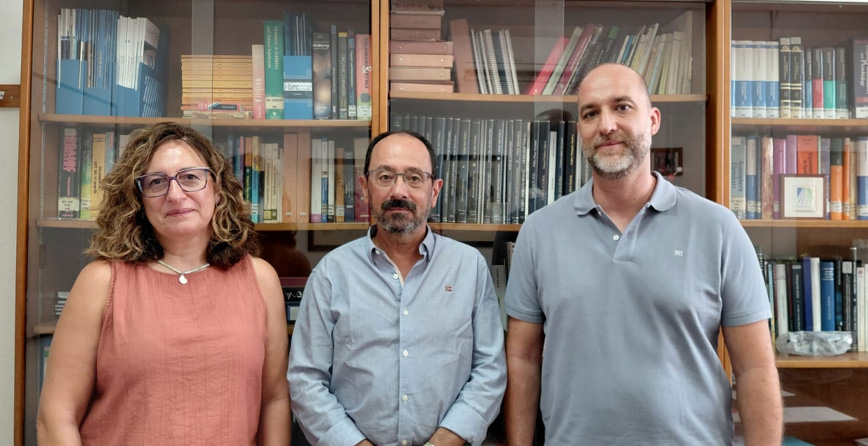
Group FQM-017. Biomimetic Dendrimers and Photonic Laboratory
The Biomimetic Dendrimers and Photonic Laboratory (LDBF) is a leading research group at the forefront of nanochemistry, supramolecular design, and advanced functional material, embedded within recognized research ecosystems. Our Research Group is committed to driving scientific excellence
Our research is centered on the rational design, synthesis, and characterization of highly engineered dendritic architectures and photonic systems with precise structural control at the molecular and nanometric scales. We develop multifunctional platforms capable of operating in complex biological environments, enabling cutting edge applications in targeted drug delivery, bioimaging, and diagnostic technologies.
By integrating organic synthesis, nanotechnology, and photonics, LDBF delivers transformative solutions that bridge fundamental science and translational medicine. Our work leverages biomimetic strategies and structure–property relationships to create next generation materials with enhanced selectivity, responsiveness, and biocompatibility.
At LDBF, we foster a highly collaborative and interdisciplinary research culture, partnering with academic institutions, clinical researchers, and industry leaders to accelerate innovation and maximize societal impact. Through excellence in research, training, and knowledge transfer, we aim to position ourselves as a global reference in nanomedicine and functional molecular systems.
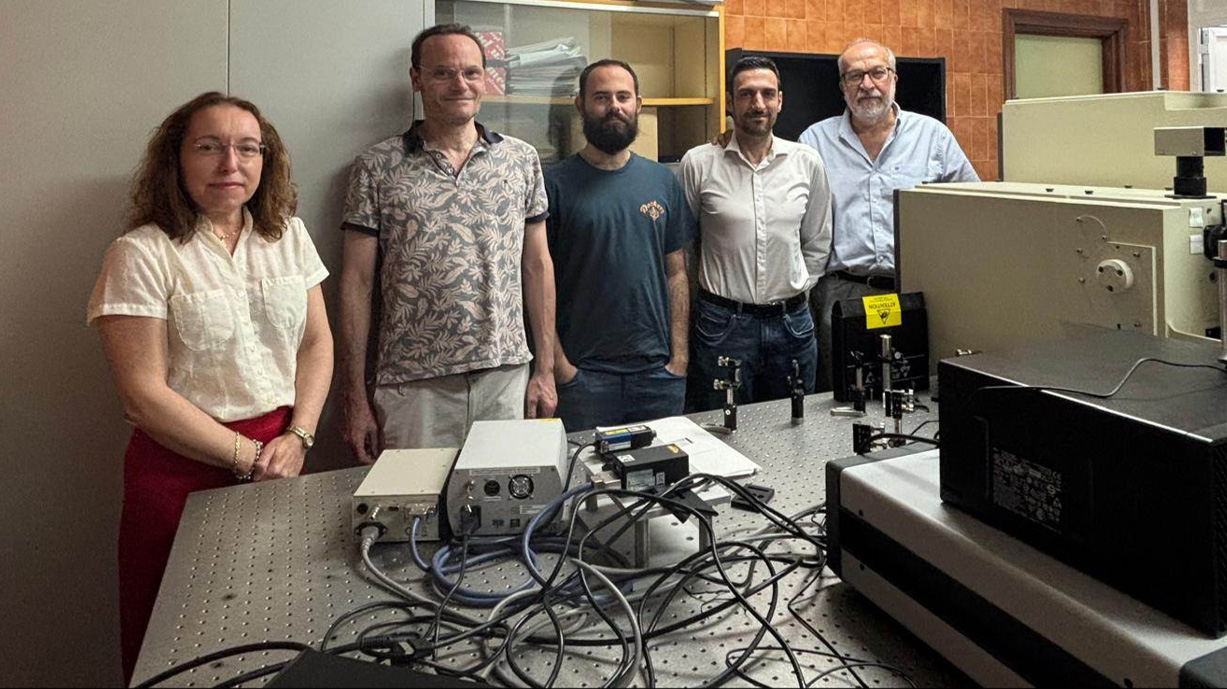
Group FQM-103. Spectroscopy and Molecular Structure
This research group, active since 1998, is dedicated to the study of materials using Surface-Enhanced Raman Spectroscopy (SERS), which has enabled them to publish a methodology across various articles for coherently analyzing the obtained spectra. Furthermore, the use of the Raman microscope as a non-destructive method for examining the chemical structure of materials allows them to identify isolated particles on the order of one micron. All results are supported by high-level ab initio theoretical calculations.
Research Lines
- SERS Spectroscopy: Theoretical models and applications
- Spectroscopy and reactivity of energetic molecules
- Microscopy and Micro-Raman of nanomaterials
Scientific-Technical Services
- Raman Laboratory
- Micro-Raman Laboratory
- Atomic Force Microscopy Laboratory (characterization of microstructured materials)
- Specialized training for researchers
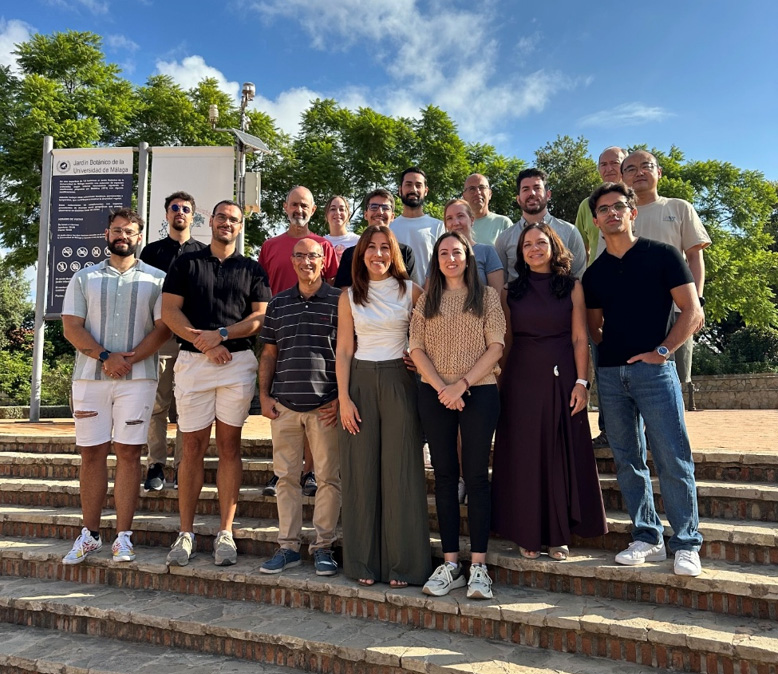
Group FQM 113. Structural design of inorganic materials
The FQM-113 research group conducts research aimed at the design and structural characterization of inorganic materials, such as ionic/electronic conductors, cements, and coordination polymers (MOFs) based on metal phosphonates. One of the main research line focuses on the development and characterization of advanced materials for energy conversion and storage.
Its main lines of research objectives are: (1) the study of solid oxide and protonic fuel cells and electrolyzers; (2) development of new materials for hydrogen storage and separation; and (3) preparation of new electrocatalysts for water splitting and O2/CO2 electroreduction. Through this work, the group seeks to promote efficient and sustainable technological solutions for the ongoing energy transition.
The cement science group focuses on the design and development of sustainable cementitious materials to support the decarbonization of the construction sector.
Its research promotes the replacement of Portland cement clinker with low-carbon supplementary cementitious materials, including those derived from industrial by-products and urban wastes, contributing to circular economy strategies.
The group combines advanced characterization techniques with artificial intelligence-based data analysis to understand hydration processes, CO2 mineralisation processes, microstructural evolution, and material performance, accelerating the development of next-generation low-carbon cementitious materials.
This research requires the use of multiple techniques, including X-ray diffraction and image (laboratory and synchrotron), neutron diffraction, impedance spectroscopy under various atmospheres (ranging from 10-30 to 0.21 atm O2, N2, H2, etc.), electrochemical techniques, shaping and rheology, solid-state NMR, XPS, as well as scanning and transmission electron microscopy.
Group FQM-117. Functional magnetic nanomaterials
The FQM-117 Research Group at the University of Málaga, part of the Institute of Nanomaterials and Nanotechnology (IMANA), focuses its work at the intersection of analytical chemistry, nanotechnology, and environmental sustainability. Their research spans from the synthesis of functional magnetic nanomaterials (such as the M@GO and d-M@GO families) to their application in water effluent treatment, enabling both the removal of contaminants of emerging concern and heavy metals, as well as the recovery of critical raw materials (such as phosphorus or high-value metals) within a circular economy framework.
Furthermore, the group excels in the development of automated analytical systems and electrochemical sensors for rapid, in-situ contaminant detection, aimed at ensuring reclaimed water quality and safe agricultural irrigation.
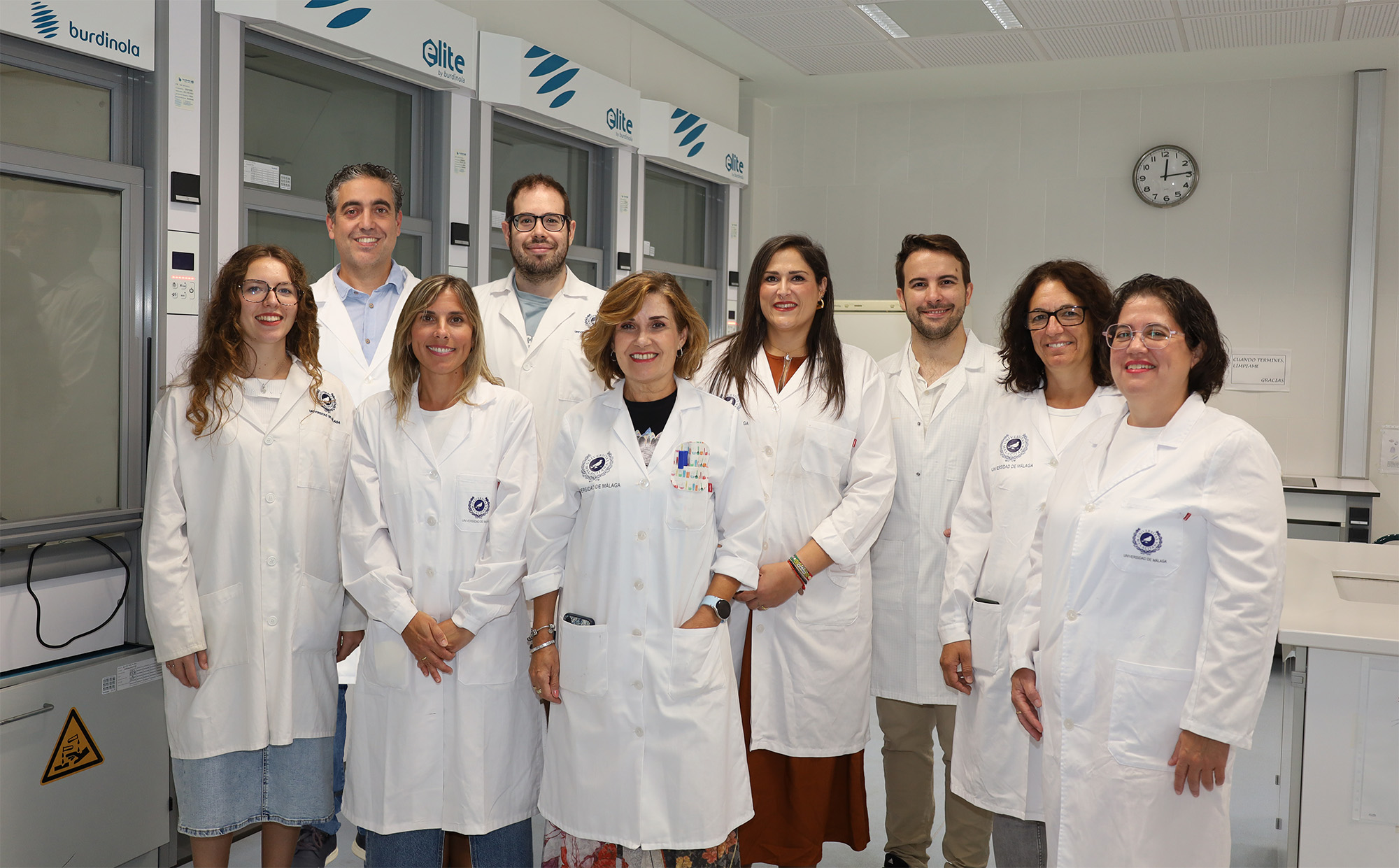
With a strong commitment to technology transfer, FQM-117 leads the MANAGUA project, holds the patent for the M@GO nanomaterial (awarded by the OEPM), and spearheaded the foundation of the spin-off company IMATECK Nanotechnologies, S.L. for the commercialization of advanced nanomaterials and analytical services.
The group offers the following scientific-technical services:
- Trace and ultra-trace element analysis in environmental (water, sediments, agricultural soils) and biological samples.
- Multi-analyte analysis of emerging contaminants (pharmaceuticals, PFAS, pesticides).
- Technical advisory in water treatment, reclamation, and quality control.
- Analytical and functional characterization of new adsorbent nanomaterials.
Group 155. NEW INORGANIC MATERIALS
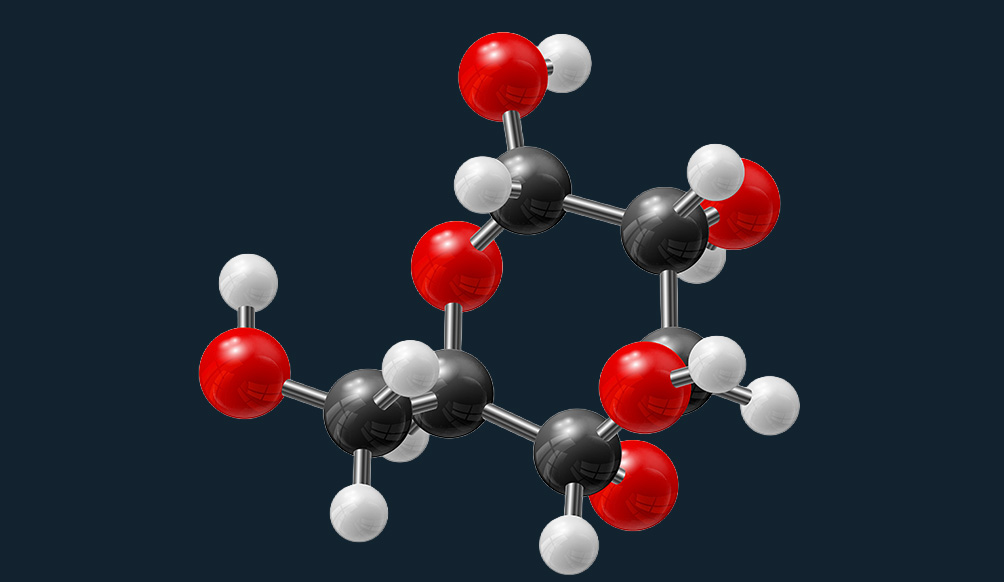
The New Inorganic Materials research group focuses its main activity on the design, synthesis, and characterization of advanced inorganic materials for applications in heterogeneous catalysis and adsorption processes.
Our group combines an extensive academic track record with the training of new researchers. The group’s permanent staff consists of 1 Emeritus Professor, 3 Full Professors, and 6 Associate Professors. In addition, we have a PhD student, researchers in training, and support staff.
Our lines of research focus on the tailored preparation of inorganic solids and their evaluation in processes such as:
CO₂ valorization and capture: Development of efficient adsorbents and catalysts for the selective transformation of carbon dioxide into high value-added molecules, such as alcohol synthesis.
Biomass valorization: Transformation of the different fractions that constitute various types of biomass into bioproducts and biofuels through sustainable catalytic processes.
Environmental applications: Removal and degradation of pollutants through adsorption and environmental catalysis processes.
To carry out this work, we have facilities equipped with suitable technology for catalytic evaluation and material characterization, including:
- Fixed-bed and batch reactor systems adapted to conduct catalytic tests at both atmospheric and high pressures.
- Equipment for continuous reaction monitoring (HPLC and GC).
Finally, the members of our group actively participate in research projects funded at national, regional, and European levels. Likewise, we maintain ongoing and close cooperation with companies in the industrial sector, both national and international, promoting technology transfer and the real-world application of our developments.
Group FQM 156. Laser processing and analysis of materials
UMALASERLAB is the Laser Laboratory of the University of Málaga, a reference center dedicated for more than three decades to the development of applications and the fundamental understanding of laser-based spectroscopic techniques. Its activity lies at the boundary between applied spectroscopy and analytical chemistry, leveraging the laser’s ability to directly and locally excite solids, which allows obtaining point-by-point, precise information on the composition of the analyzed materials.
The two core techniques on which the laboratory works are Laser-Induced Breakdown Spectroscopy (LIBS) and ion microprobes (with laser ionization -LIMS- or ion beams -SIMS-), both especially powerful for the direct analysis of solids with minimal sample preparation.
Building upon these techniques, UMALASERLAB develops highly diverse research lines, notably including:
- Geochemistry and planetary science: application of LIBS to the study of materials of geological and astrobiological interest, including the development of instrumentation related to space missions for planetary exploration (for example, missions to Mars).
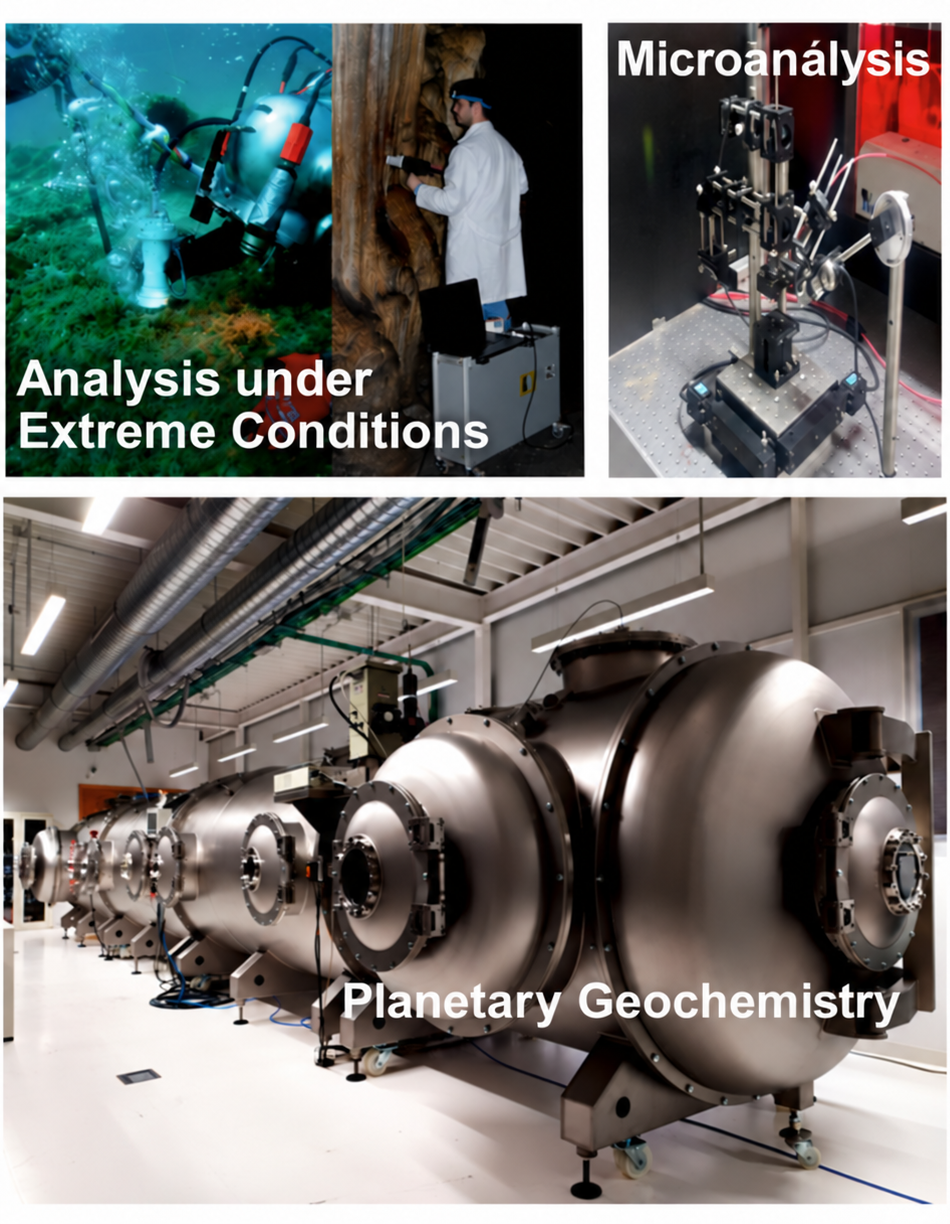
- Cultural heritage and forensic characterization: non-destructive analysis of heritage assets, artworks, and archaeological materials, as well as applications in clinical and heritage forensic analysis.

Groups FQM 158, FQM209, FQM397. Natural products and drugs synthesis, and nanotechnology group
The research group on natural products, drug synthesis and nanotechnology is located in the Department of Organic Chemistry of the Faculty of Science, it is dedicated to the synthetic study of active natural products, their inclusion in metallo-organic nanoparticles and the nanostructuring of surfaces.
Main research interests:
Organic Synthesis and Methodology:
Synthesis of bengamides, solomonamides, polyketides, nucleosides, benzazepine and isoquinoline alkaloids, terpenes, and oligo-p-phenylene tripod-shaped molecules.
Nanoparticles and Micelles for Drug delivery:
Development of targeted polymeric and lipid nanoparticles for drug delivery with enhanced loading for a variety of drugs, mainly antitumoral drugs. Metalopolymeric. Cytotoxicity analyses.
Surface functionalization:
Functionalization, using click chemistry and photochemistry on thin films, of nanoparticles, SLNs, OEGs, on silicon and gold surfaces.
Natural products isolation:
Chemotaxonomy of endemic plants in Andalucía (Spain) and seaweeds (Rugulopteryx okamurae). Sceletium Alkaloids, Fucoidans, Glycans.
Contact:
Prof. Dr. Amelia Díaz, amelia@uma.es
Prof. Dr. Francisco Sarabia-García, frsarabia@uma.es
Prof. Dr. Iván Cheng, cheng@uma.es
Prof. Dr. Antonio Sánchez-Ruiz, antonio.sanchezruiz@uma.es
Prof. Dr. J. Manuel López-Romero, jmromero@uma.es
WEB Page: https://nanotec.uma.es/INDEX.html
Group FQM 159. Conductive polymers and biopolymers
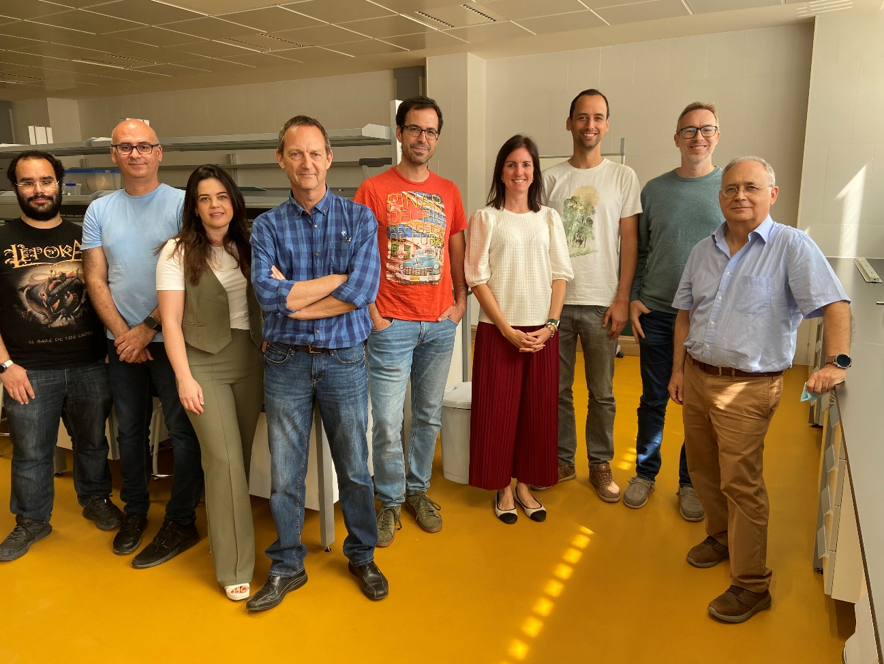
The Conductive Polymers and Biopolymers research group (FQM-159) is part of the Department of Physical Chemistry of the Faculty of Sciences at the University of Málaga. With more than three decades of experience in π-conjugated materials, our activity focuses on the physicochemical study of molecular systems, polymers, and nanomaterials with applications in electronics, optoelectronics, photonics, thermoelectrics, and chemical sensing.
Our research combines optical and vibrational spectroscopic techniques, electrochemical and spectroelectrochemical methods, advanced materials characterization tools, and theoretical modeling through quantum chemistry calculations, as well as their application in optoelectronic devices.
This multidisciplinary approach allows us to study the properties of these materials at different scales, from intra- and intermolecular levels to macroscopic behavior and device performance under operating conditions.
Our goal is to understand the relationships between molecular structure, physicochemical properties, and charge transport, unraveling the mechanisms that govern the operation of electronic and optoelectronic devices. This knowledge also contributes to the rational design and synthesis of new molecular materials and nanomaterials with improved properties and applications in next-generation organic technologies
Group FQM192. Materials and Surface Laboratory
The research group develops functional materials in the form of coatings and thin-film structures, covering everything from their synthesis and processing to the advanced characterization of their chemical, optical, electrical, and electrochemical properties.
Its research lines include interface analysis, surface functionalization, and the controlled growth of nanostructures. Key application areas include transparent conductors, selective surfaces for solar thermal energy, electrodes for electrochemical devices, and energy conversion and storage systems. These activities are targeted toward sectors such as photovoltaics, microelectronics, hydrogen technologies, and fuel cells.
The group also possesses capabilities in remote analysis and elemental characterization using laser-induced breakdown spectroscopy (LIBS/LIPS).
Group FQM 395. Physics of molecules
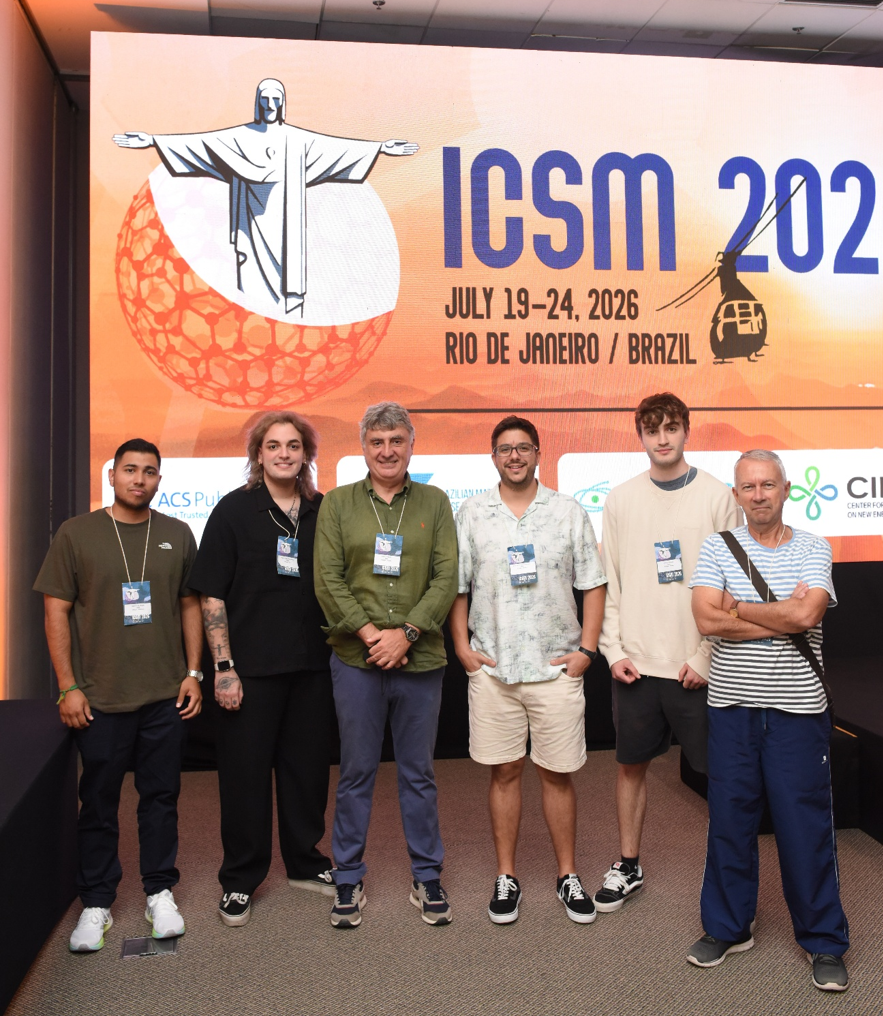
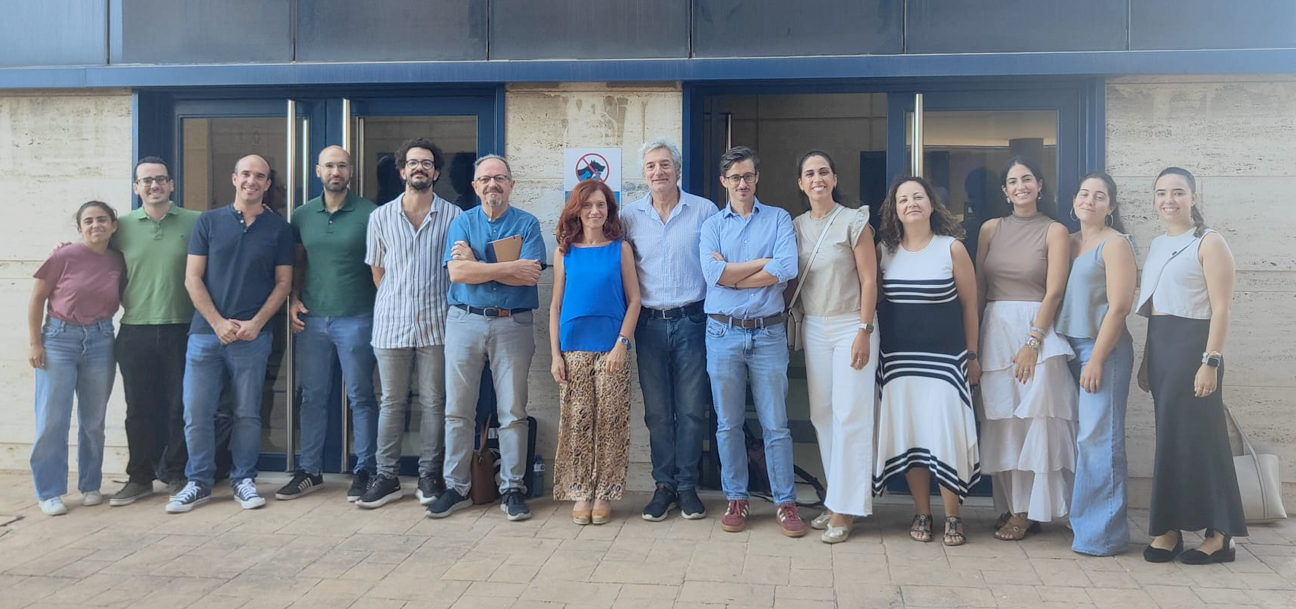
Physmol is dedicated to the study of a wide range of organic semiconductor molecules for applications in electronics, photonics and spintronics. Our research combines a broad suite of spectroscopic techniques such as vibrational and electronic spectroscopy, in both ground and excited states, electrochemistry along with theoretical calculations.
This integrated approach allows us to understand the chemical and electronic processes that occur at the molecular level in order to improve the physical properties relevant to their application in integrated devices. The group has published in leading journals including Nature Chemistry, JACS, and Angewandte Chemie, establishing itself as a leading reference in the physical-chemical characterisation of organic electronic materials.
Group TEP-184 (TERMA). Waste and Environment Technology.
Our main research lines are:
Thermal and catalytic pyrolysis and gasification of biomass and industrial waste for the production of sustainable chemicals.
CO₂ capture and hydrogenation for obtaining platform chemicals via the methanol and Fischer–Tropsch routes.
- Preparation of nanostructured carbonaceous, fibrillar inorganic, and sub-nanometric spherical materials using electrospinning and electrospraying techniques.
- Biorefinery: Development of chemical processes for the production of industrially relevant chemicals from lignocellulosic biomass.
- Design and preparation of catalysts, electrocatalysts, and photocatalysts for the production of chemicals and energy storage applications.
- Catalytic processes and adsorbents for the removal of pollutants from liquid and gas phases.
Group RNM 111. PROCAT. The Catalytic Process Technologies Research Group
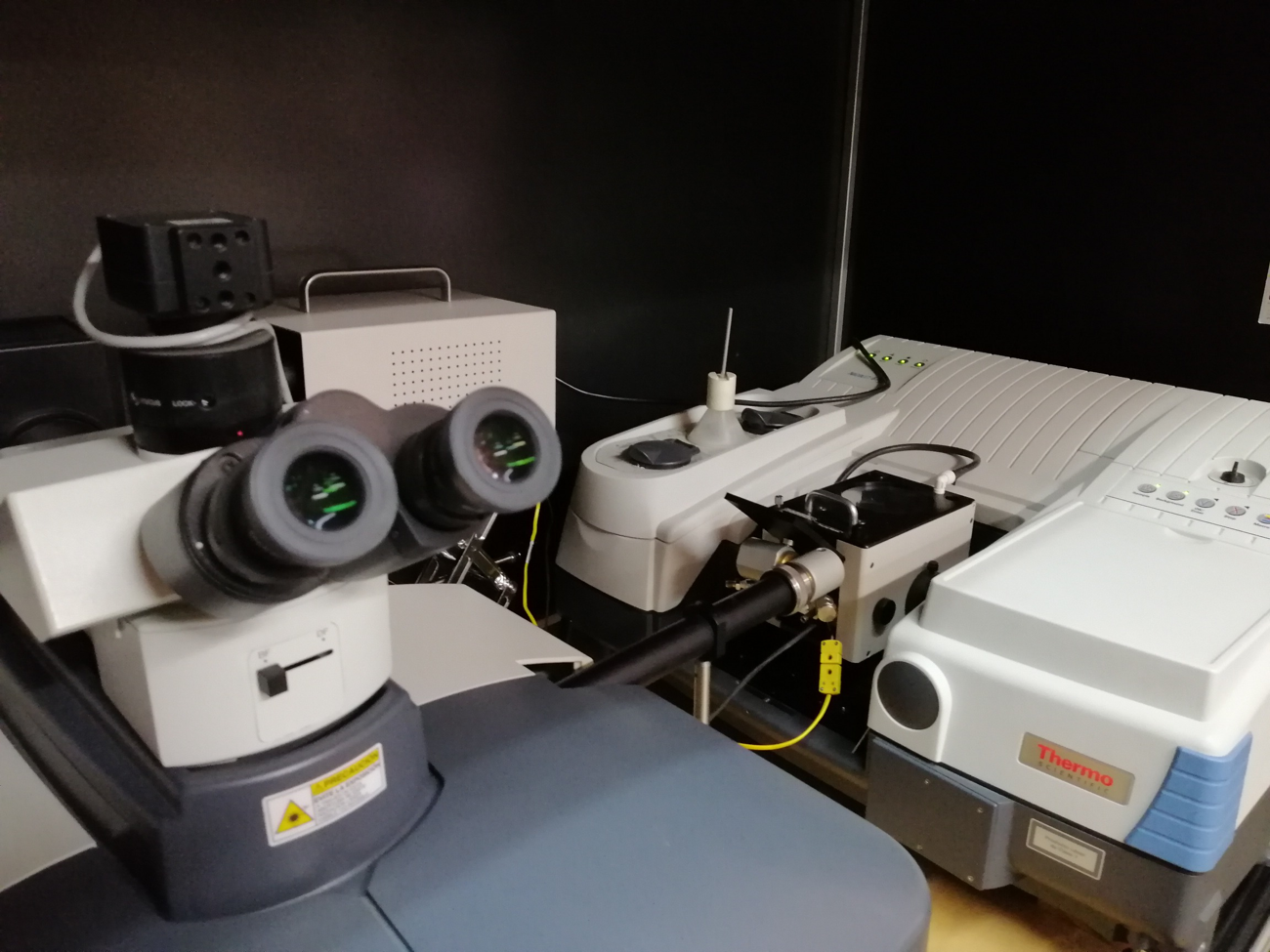
The Catalytic Process Technologies Research Group (PROCAT) at the University of Málaga (UMA) conducts its research activities in the laboratories of the Department of Chemical Engineering within the Faculty of Science. The group is dedicated to advancing research and innovation in catalysis for energy and environmental applications.
Our work focuses on the design, development, and optimization of advanced catalytic materials, processes, and technologies aimed at addressing current challenges related to the energy transition, sustainability, and environmental protection.
Throughout its trajectory, PROCAT has established a strong scientific and technological profile through participation in multidisciplinary research projects, collaborations within national and international research networks, and knowledge transfer agreements with companies and institutions.
These activities foster innovative solutions for industry while advancing scientific knowledge in strategic areas such as energy conversion and storage, resource valorization, and emissions control.
These activities foster innovative solutions for industry while advancing scientific knowledge in strategic areas such as energy conversion and storage, resource valorization, and emissions control.
Research Areas
- Catalysis for energy and environmental applications
- Hydrogen production and valorization
- Energy conversion and storage
- Decarbonization processes and emissions reduction
- Development of advanced catalytic materials
- Circular economy and waste valorization